
Free shipping
within Germany for orders over 29€
55.000 products
ready for shipment
Money Back
30 Day Return Policy
You have placed the following items into your shopping cart
Free shipping
within Germany for orders over 29€
55.000 products
ready for shipment
Money Back
30 Day Return Policy
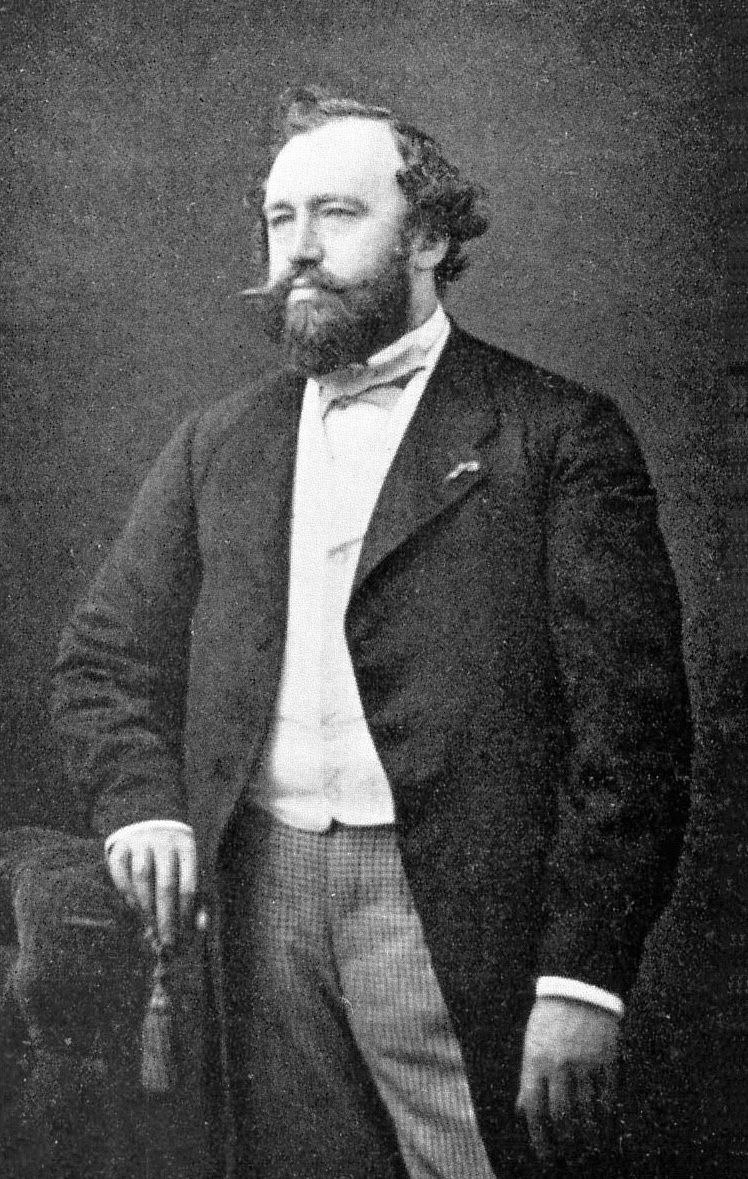
Adolphe Sax is the great pioneer when it comes to saxhorns and saxophones. The Belgian visionary studied flute, clarinet, singing, and harmony at the Brussels Conservatory. In his father’s workshop, he perfected the clarinet and bass clarinet and obtained a patent for them in 1838. In 1842, Adolphe Sax stayed in Paris and amazed the music world with his self-developed and built soprano saxophone. Soon after, Adolphe Sax found sponsors and was able to start production. The range already included the entire spectrum: sopranino, soprano, alto, tenor, baritone, bass, contrabass, and subcontrabass.

Item-Nr.: BLA0004804-000

Item-Nr.: BLA0003148-000
An entry-level Eb alto saxophone provides beginners with a reliable instrument and bright sax sound with excellent intonation.
Item-Nr.: BLA0003153-000
Tenor Saxophone in Bb, Gold lacquer body and mechanism, High F#, front F, Adjustable thumb hook, Yamaha TS-4C mouthpiece

Item-Nr.: BLA0006141-000
Eb alto saxophone in matt black, Material body/bow/mechanics: Brass, Incl. lightweight case with carrying set, mouthpiece, accessories
Item-Nr.: BLA0006142-000
Tenor saxophone in matt black, Material body/bow/mechanism: Brass, Incl. lightweight case with carrying set, mouthpiece, accessories
Based on existing brass instruments (trumpet, tuba, horns …), new types of instruments were developed and marketed under the names Saxtromba, Saxhorn, Saxtuba, etc. For Giuseppe Verdi, he developed and built several AIDA trumpets. In March 1846, Adolphe Sax received his patent and his instruments were first used in French military music. He continuously worked on optimizing the instruments he had developed and repeatedly filed new patents. Although these patents were often challenged in court by competitors, he repeatedly prevailed and was awarded them. At his peak, Adolphe Sax employed 100 workers who produced several thousand instruments. However, he declared bankruptcy several times and finally died completely impoverished in Paris on February 8, 1894.
It is also worth mentioning that from 1857 to 1871, Adolphe Sax was a saxophone teacher at the Paris Conservatory. Due to lack of funds, the position was later eliminated. In addition, he founded a school for saxophone playing and launched the instruments he had built. At the Paris Opera, he was director of the stage orchestra from 1858.
No, it is considered a relatively beginner-friendly wind instrument. At the beginning, some practice is needed for embouchure (mouthpiece position) and breathing technique.
In France, specifically in Mantes-la-Ville near Paris.
An alto saxophone (e.g. Yamaha YAS-280 or Jupiter JAS-500) – easy to handle, not too heavy, and reasonably priced for beginners.
Yes, absolutely. Age is no obstacle – motivation, regular practice, and possibly a teacher are important.
That’s a matter of taste – tenor saxophones are known for their warm and full tone, alto saxophones for their clear and bright sound.
Yes, the fingering system is the same for all common saxophones (soprano, alto, tenor, baritone, etc.) – only size, weight, and tone differ.
Phone: +49 (0)221 / 88 84 - 1585
Email: [email protected]